
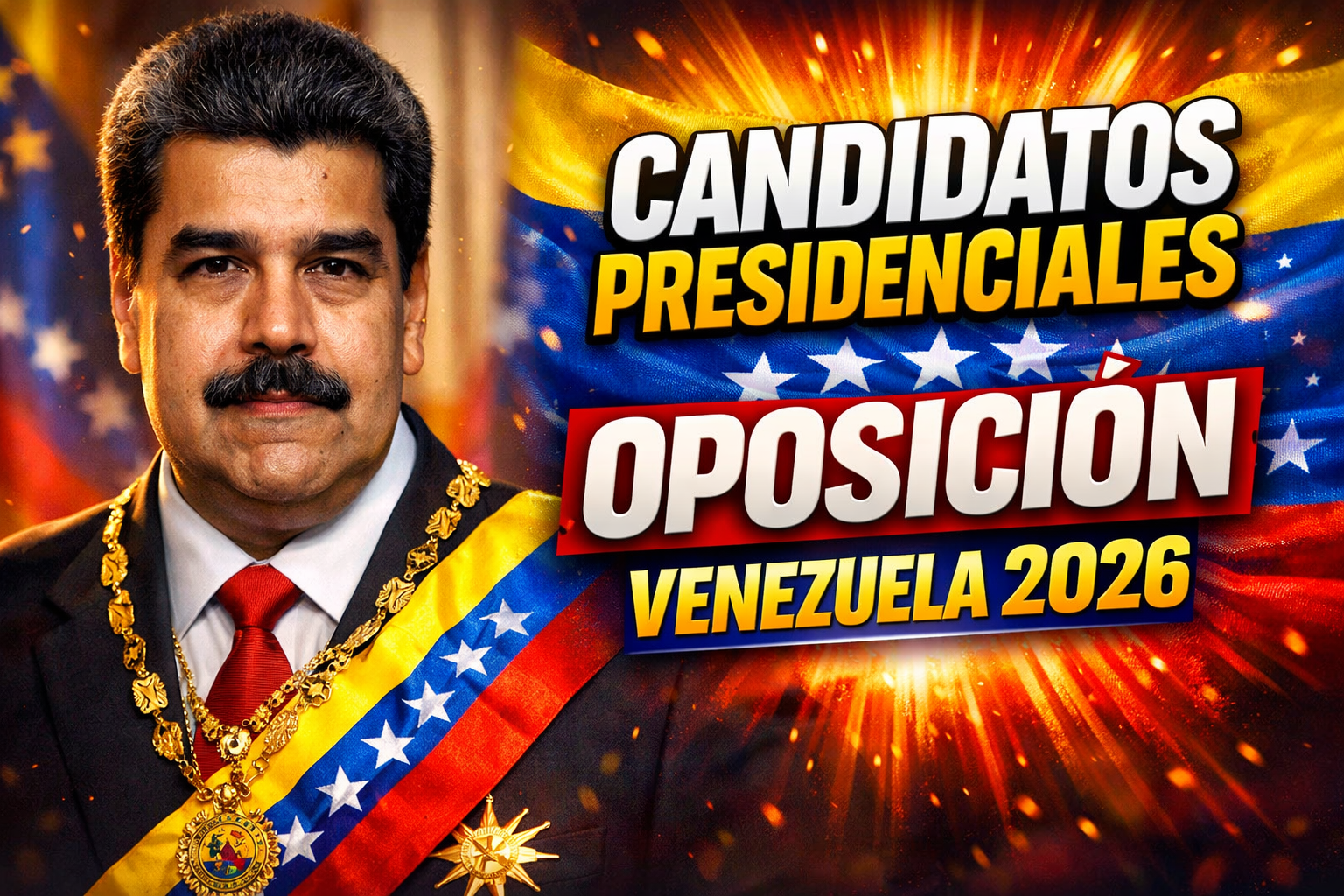
Venezuela stands at a historic crossroads following the dramatic capture of Nicolás Maduro, marking the end of two decades of socialist rule and opening the door for a democratic transition. The opposition, unified under the Plataforma Unitaria Democrática (PUD), is rallying around key presidential candidates poised to lead the nation toward renewal in the 2026 elections.
Introducción a la Crisis y la Esperanza
The fall of Maduro’s regime has ignited widespread optimism among Venezuelans weary of hyperinflation, mass emigration, and repression. With over seven million citizens having fled the country in recent years, the capture by international forces has dismantled the apparatus of control, including the regime’s loyal military and judicial branches. Opposition leaders now emphasize unity as the cornerstone for rebuilding, drawing on lessons from past electoral battles where division weakened their efforts.
This pivotal moment underscores the opposition’s resilience. Figures like María Corina Machado and Edmundo González have emerged as symbols of perseverance, having mobilized millions despite bans, arrests, and violence. The 2026 presidential race represents not just an election but a referendum on restoring institutions, economy, and human rights.
Contexto Histórico de la Oposición Venezolana
Venezuela’s opposition has evolved from fragmented groups into a cohesive force over the past decade. Early attempts at unity faltered in legislative and regional contests, but the 2024 presidential election galvanized support. Maduro’s disputed victory—amidst tallied votes showing opposition dominance—exposed electoral fraud, fueling international condemnation and sanctions.
The Plataforma Unitaria Democrática formed as an umbrella coalition encompassing diverse parties, from social democrats to centrists. This alliance strategy proved vital when primary candidates faced disqualifications. Post-capture, the opposition’s focus has shifted to transitional governance, promising audits of state oil company PDVSA and repatriation incentives for expatriates.
Key milestones include massive street protests and the collection of over ten million voter signatures, demonstrating grassroots strength. These efforts have positioned the opposition to capitalize on Maduro’s downfall, with public approval ratings for democratic change hovering above eighty percent in independent polls.
Líderes Clave de la Oposición para 2026
María Corina Machado: La Estratega Implacable
María Corina Machado embodies the fiery spirit of resistance. A former legislator and engineer, she swept opposition primaries with landslide support, only to be barred from running. Undeterred, she orchestrated Edmundo González’s campaign from hiding, coordinating logistics and messaging that resonated nationwide.
Machado’s vision centers on free-market reforms, privatization of state assets, and alliances with Western democracies. Her Nobel recognition for peace efforts amplifies her global stature, attracting aid pledges from the United States and Europe. Analysts praise her organizational prowess, which unified disparate factions and mobilized youth through digital platforms.
In speeches, she vows to dismantle chavismo remnants, emphasizing judicial independence and anti-corruption purges. Her potential presidency would signal a hard pivot from socialism, prioritizing dollarization to stabilize the bolívar.
Edmundo González Urrutia: El Diplomático Moderado
Edmundo González offers a calming contrast as a seasoned diplomat and family man. Thrust into the 2024 spotlight, he garnered evidence of victory through parallel vote counts, preserving tally sheets that discredited official results. Exiled briefly post-election, his return post-capture has bolstered his image as a steady hand.
González advocates pragmatic transition, including amnesty for low-level regime defectors to ease power handovers. His platform stresses humanitarian aid corridors, education revamps, and agricultural revival to combat food shortages affecting half the population. With a centrist appeal, he bridges radicals and moderates within the PUD.
Supporters highlight his low-key style, which contrasts Maduro’s bombast, fostering trust among business elites and rural voters. Recent rallies show his crowds rivaling Machado’s, positioning him as a frontrunner.
Otros Candidatos Emergentes
Beyond the duo, figures like Henrique Capriles and Leopoldo López add depth. Capriles, a two-time presidential contender, brings gubernatorial experience and youth focus. López, freed from house arrest, leverages Voluntad Popular’s activist base for urban mobilization.
Emerging voices include regional governors and diaspora representatives, ensuring broad geographic input. The PUD primaries, slated for mid-2026, will test internal democracy, with polls favoring a Machado-González ticket dynamic.
La Plataforma Unitaria Democrática: Pilar de la Unidad
The PUD’s strength lies in its inclusivity, uniting over forty parties and civil groups. Post-2024, it refined mechanisms for candidate selection, incorporating voter consultations via apps and town halls. This model prevented past fractures, like the 2018 boycott splits.
Unity manifests in joint declarations post-Maduro capture, pledging shared ministries for balance. The coalition’s charter mandates gender parity and indigenous inclusion, addressing criticisms of elitism. International backers, including the OAS and UN, endorse this framework for credible elections.
Challenges persist: internal egos and funding shortfalls. Yet, crowdfunding and expatriate donations have raised millions, funding billboards and media campaigns.
Impacto de la Captura de Maduro en la Transición
Maduro’s ouster via U.S.-led operation shattered regime cohesion. Loyalists scattered, with Diosdado Cabello fleeing to Cuba and security forces splintering. This vacuum enabled opposition gains in state assemblies and PDVSA boardrooms.
Economically, oil production—once at two million barrels daily—dipped below five hundred thousand under mismanagement. Opposition plans aim to ramp it to three million within two years through foreign partnerships. Hyperinflation, peaking at millions percent, prompts immediate dollar adoption proposals.
Socially, the capture halted arbitrary detentions plaguing thousands. Freed political prisoners now advise on reconciliation commissions, blending justice with pragmatism.
Estadísticas y Datos sobre la Crisis Venezolana
Venezuela’s turmoil is quantified starkly:
| Indicador | Antes de 2013 | Pico Crisis | Actual (2026) |
|---|---|---|---|
| Inflación Anual | 30% | 1,700,000% | 50% (estabilizándose) |
| Emigración Acumulada | 1 millón | 7.7 millones | 8 millones |
| Producción Petrolera (bpd) | 2.5 millones | 300,000 | 600,000 |
| Pobreza Extrema | 15% | 96% | 70% |
| Apoyo Oposición (encuestas) | 40% | 85% | 82% |
These figures, drawn from independent monitors, underscore urgency. Oil revenues funded ninety percent of budgets historically; diversification into tourism and mining is proposed.
Food insecurity affects sixty percent, with child malnutrition doubling. Opposition health plans target vaccinations and clinic rebuilds, leveraging paused sanctions relief.
Propuestas Políticas para la Transición Democrática
Reforma Económica
Dollarization tops agendas, mirroring Ecuador’s success in curbing volatility. Tax overhauls target evasion, while incentives lure remittances—Venezuela’s largest forex source at twenty billion annually.
Privatizing non-strategic assets could generate fifty billion, funding infrastructure. Agriculture subsidies aim to cut ninety percent import reliance.
Seguridad y Justicia
Purging infiltrated institutions is priority. Vetting one hundred thousand public servants ensures loyalty to constitution. Community policing models from Colombia inspire urban safety nets.
Transitional justice weighs truth commissions against trials, granting leniency for confessions.
Educación y Salud
Free university access expands, countering brain drain of professionals. Mobile clinics serve remote areas, integrating Cuban defectors’ expertise.
Desafíos y Estrategias para 2026
Fragmented chavismo remnants pose insurgency risks, necessitating dialogue pacts. Border tensions with Colombia demand diplomacy. Climate vulnerabilities, like droughts slashing hydro power, require resilient grids.
Opposition counters via voter education drives, reaching illiterate voters through radio. Digital ID systems prevent fraud, building on 2024’s tally triumphs.
Escenarios Electorales y Prospectivas
A unified ticket could secure seventy percent in first rounds, per simulations. Runoffs pit experience against vision, with González edging urban centers and Machado dominating peripheries.
International observers ensure transparency, with tech like blockchain voting piloted.
Conclusión: Hacia un Futuro Democrático
The 2026 candidates herald Venezuela’s renaissance, blending unity with bold visions. Post-Maduro, the PUD’s momentum promises accountable governance, economic revival, and global reintegration. Venezuelans, long denied prosperity, now eye a horizon of genuine change.

Angel Prieto es redactor y colaborador en PandorasCode, especializado en la cobertura de actualidad, sociedad y tendencias internacionales. Cuenta con experiencia en la elaboración de contenidos informativos enfocados en explicar los hechos de manera clara, precisa y accesible para una audiencia de habla hispana.