
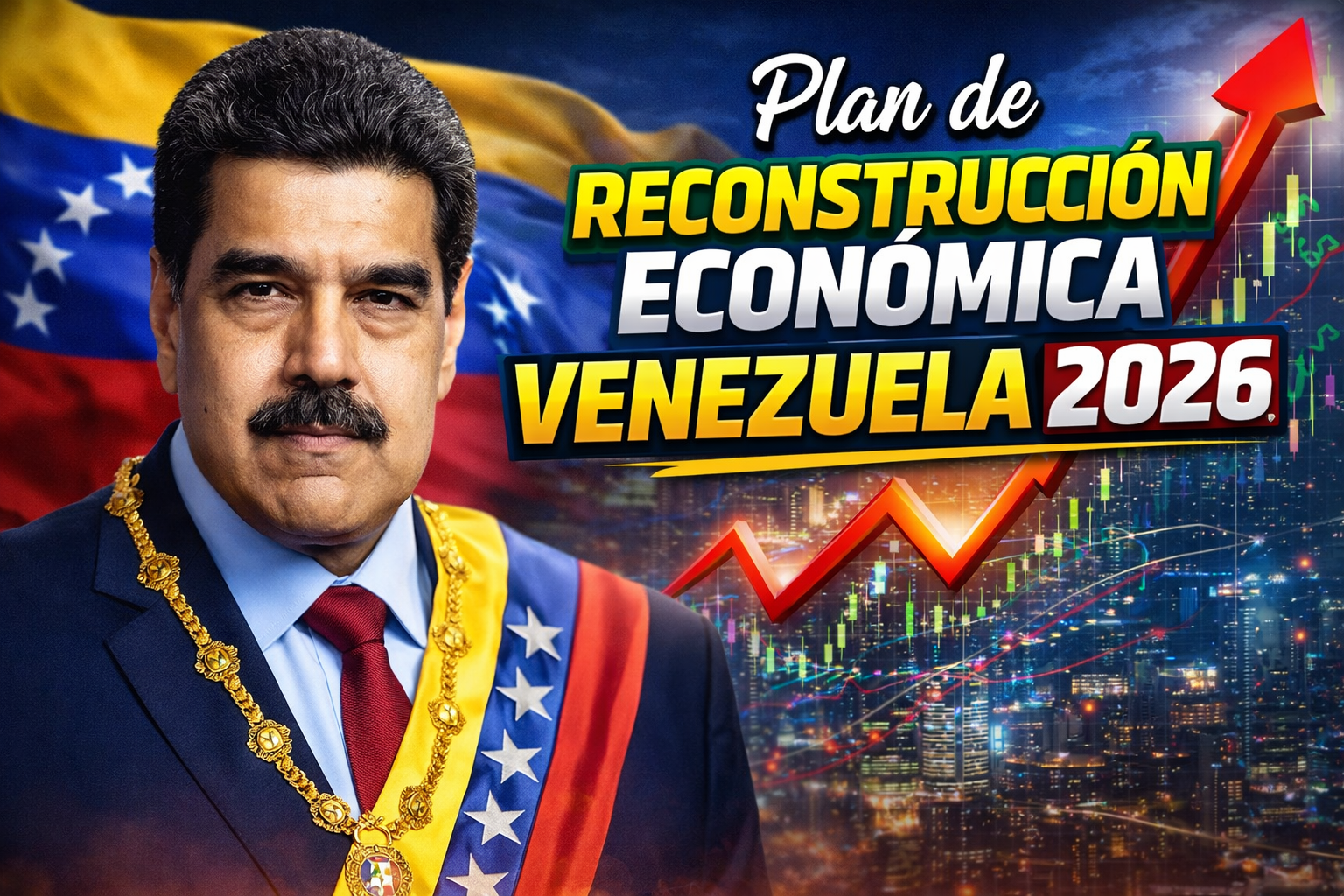
Venezuela stands at a pivotal juncture in early 2026, emerging from decades of economic turmoil with a bold reconstruction blueprint centered on energy sector revival. This plan leverages the nation’s vast oil reserves and untapped renewable potential to attract foreign investments, fostering sustainable growth and stability.
Introducción al Plan de Reconstrucción
The reconstruction strategy outlines a comprehensive roadmap to revitalize Venezuela’s economy, prioritizing energy as the cornerstone for recovery. After years of mismanagement, sanctions, and infrastructure decay, the nation now eyes foreign capital to rehabilitate its petroleum industry and diversify into cleaner energy sources. Key pillars include legal reforms for investor confidence, debt restructuring tied to oil revenues, and public-private partnerships to boost production capacity.
This approach promises not only to restore output levels but also to create jobs, improve infrastructure, and integrate Venezuela into global energy markets. With political shifts opening doors to international collaboration, particularly from the United States and European firms, the plan positions energy investments as the engine driving broader economic expansion.
Contexto Histórico de la Crisis Energética
Venezuela’s energy sector once symbolized global prowess, boasting the world’s largest proven oil reserves in the Orinoco Belt. However, nationalizations in the early 2000s, coupled with corruption and underinvestment, led to a sharp decline in production, dropping from over three million barrels per day to under one million by recent years. Refineries crumbled, pipelines leaked, and skilled workers emigrated, exacerbating blackouts and fuel shortages that crippled daily life and industry.
The crisis extended beyond oil to electricity grids, where hydroelectric reliance caused frequent nationwide outages. Hyperinflation eroded purchasing power, while sanctions isolated the country from technology and financing needed for maintenance. This backdrop underscores the urgency of the 2026 plan, which aims to reverse these trends through targeted foreign inflows and modernization.
Pilares del Plan de Reconstrucción Económica
Reformas Legales e Institucionales
At the heart of the plan lies a series of legal overhauls to reassure investors. New frameworks guarantee property rights, streamline licensing for exploration, and offer tax incentives for joint ventures in the energy sector. Arbitration mechanisms aligned with international standards will resolve disputes, while a sovereign wealth fund—modeled after successful examples—channels oil revenues into long-term development, distributing dividends to citizens for shared prosperity.
These reforms also emphasize transparency in Petróleos de Venezuela (PDVSA) operations, with audits by global firms to prevent past mismanagement. Dollarization accelerates to stabilize finances, eliminating tariffs to spur trade and attract manufacturing tied to energy exports.
Rehabilitación del Sector Petrolero
Restoring oil production tops the agenda, targeting an initial surge of several hundred thousand barrels daily within the first year through minimal investments. Foreign firms gain preferential access to the Orinoco Belt, partnering with PDVSA to upgrade extraction technologies and refurbish refineries. Billions in capital will flow into pipelines, export terminals, and drilling rigs, aiming to reclaim peak output levels over the decade.
This phase not only generates immediate revenue but also positions Venezuela as a reliable supplier to markets in the Americas and beyond. Debt restructuring incorporates warrants linked to production milestones, balancing creditor relief with fiscal sustainability.
Inversiones Extranjeras: Oportunidades en Energía
Participación de Empresas Estadounidenses y Europeas
U.S. companies, previously ousted, now lead the investment wave, with majors like Chevron expanding operations and others like ExxonMobil eyeing returns. Technical expertise from these firms accelerates field reactivation, while European players contribute in gas liquefaction and midstream infrastructure. Initial commitments could exceed tens of billions, focusing on quick-win projects with high returns.
Bilateral agreements under the current U.S. administration facilitate license waivers, channeling funds into security-enhanced zones. This influx revitalizes local economies, creating tens of thousands of jobs in drilling, logistics, and services.
Diversificación hacia Energías Renovables
Beyond fossil fuels, the plan invests in renewables to future-proof the economy. Vast solar potential in arid regions and wind corridors along the coast attract developers for utility-scale farms. Hydroelectric upgrades modernize existing dams, while offshore gas fields support hydrogen production for export.
Public tenders invite foreign consortia to build green infrastructure, subsidized by oil windfalls. This shift reduces import dependence on refined products and aligns with global decarbonization trends, opening markets in Europe for clean energy credits.
| Sector Energético | Inversión Estimada (Miles de Millones USD) | Producción Esperada (Primeros 5 Años) | Empleos Generados |
|---|---|---|---|
| Petróleo (Orinoco Belt) | 20-30 | +1.5 Millones de Barriles/Día | 50,000+ |
| Refinación y Gasoductos | 10-15 | Capacidad de 1 Millón de Barriles/Día | 30,000 |
| Renovables (Solar/Eólica) | 5-8 | 10 GW Instalados | 20,000 |
| Hidrógeno Verde | 3-5 | 500,000 Toneladas/Año | 15,000 |
| Infraestructura Eléctrica | 8-12 | Cobertura 99% Nacional | 25,000 |
Oportunidades de Crecimiento Económico
Impacto en Empleo e Industria Auxiliar
Energy revival cascades into ancillary sectors, spurring construction of worker housing, roads, and ports. Local content rules mandate hiring Venezuelan talent, with training programs funded by investors to rebuild skilled labor pools. Manufacturing of equipment and services booms, drawing suppliers from Latin America and Asia.
Tourism benefits from stabilized grids and fuel availability, while agriculture gains from reliable irrigation powered by new grids. Overall, GDP growth projections exceed double digits annually in the early phase, lifting millions from poverty.
Atracción de Capital en Otros Sectores
Success in energy builds momentum for diversification. Financial reforms lure banks for trade financing, while stable currency invites retail and real estate development. Tech hubs emerge around energy data analytics, fostering innovation in carbon capture and digital twins for fields.
Regional integration via trade pacts enhances exports, positioning Venezuela as a logistics hub for the Caribbean. Education investments produce engineers for the green transition, ensuring long-term competitiveness.
Desafíos y Estrategias de Mitigación
Security remains paramount, with joint task forces protecting assets amid lingering risks. Infrastructure gaps demand phased investments, prioritizing high-impact areas. Geopolitical tensions could disrupt flows, necessitating diversified partnerships beyond the U.S.
Community engagement counters resistance, offering revenue shares to local stakeholders. Environmental safeguards enforce best practices, balancing extraction with conservation of biodiversity hotspots. Monitoring dashboards track progress, adjusting tactics quarterly.
Visión a Largo Plazo
By mid-decade, the plan envisions Venezuela as a top-tier energy exporter, blending conventional and renewable outputs. A robust wealth fund stabilizes budgets, funding healthcare and education. Institutional strength underpins sustained growth, integrating into global value chains.
This transformation empowers citizens, harnessing natural endowments for inclusive prosperity. As investments mature, spillover effects elevate living standards, marking 2026 as the dawn of a resilient economic era.

Angel Prieto es redactor y colaborador en PandorasCode, especializado en la cobertura de actualidad, sociedad y tendencias internacionales. Cuenta con experiencia en la elaboración de contenidos informativos enfocados en explicar los hechos de manera clara, precisa y accesible para una audiencia de habla hispana.