
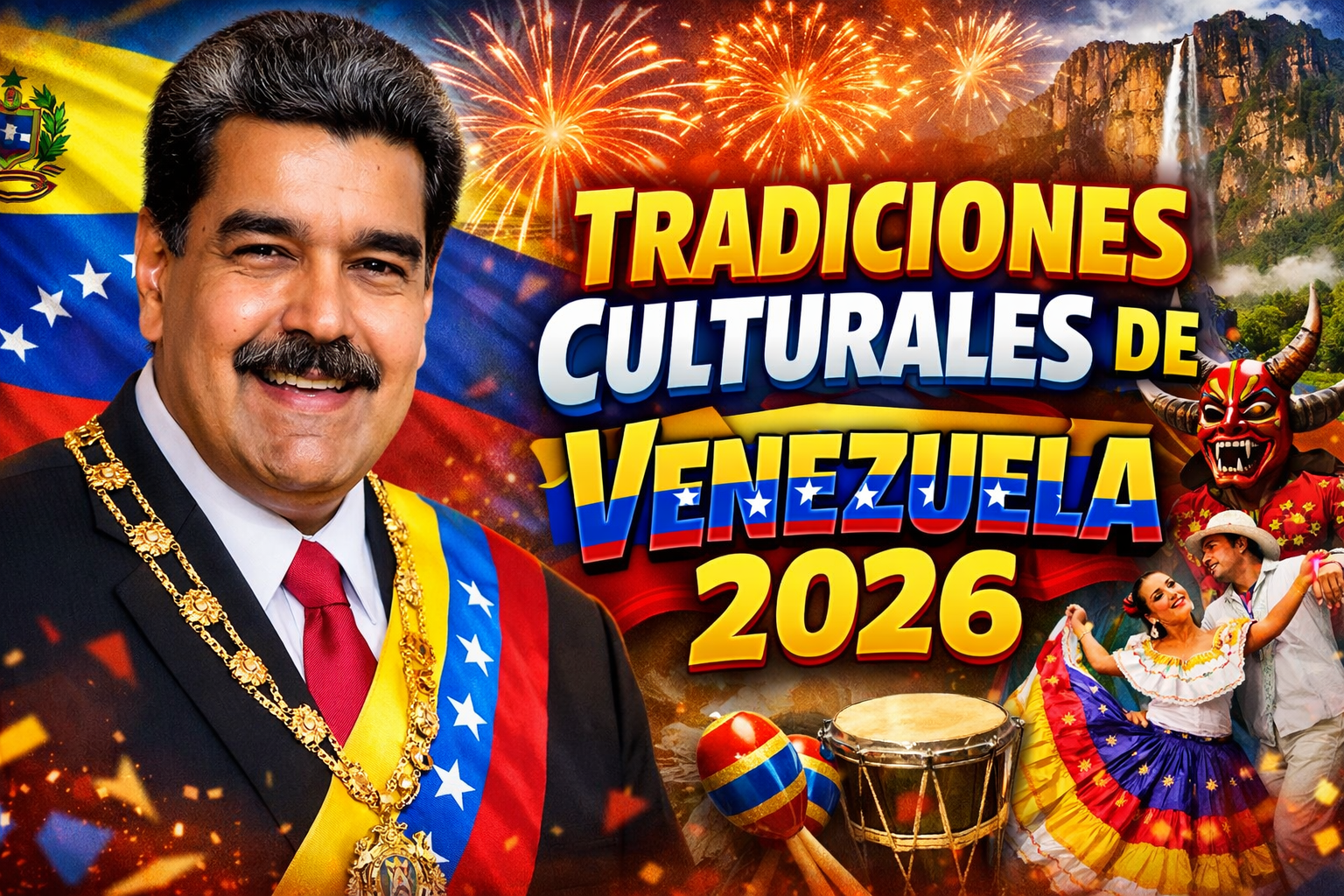
Venezuela’s cultural traditions thrive through heartfelt celebrations that weave history, artistry, and community spirit. In 2026, the Día Nacional de las Muñecas de Trapo stands out as a vibrant tribute to handmade creativity amid a rich tapestry of popular festivities.
Introducción a las Tradiciones Culturales Venezolanas
Venezuela pulses with a mosaic of cultural expressions rooted in indigenous wisdom, colonial influences, and modern resilience. These traditions, passed down through generations, manifest in festivals that blend music, dance, crafts, and rituals, fostering national unity. The Día Nacional de las Muñecas de Trapo, observed annually, exemplifies this by honoring artisanal ingenuity while connecting to broader popular festivities that light up the calendar year-round.
From coastal tambor rhythms to Andean fairs, these events preserve identity amid contemporary life. In 2026, as communities gather under themes of love and hope, they reaffirm Venezuela’s enduring cultural soul.
Origen e Historia de las Muñecas de Trapo
Muñecas de trapo trace their roots to ancient times, emerging as the world’s oldest toys found in Egyptian tombs alongside child mummies. Indigenous Venezuelan communities crafted them from natural fibers, leather, feathers, and clay, serving not just as playthings but as ceremonial objects symbolizing protection, prosperity, and safe births. During the colonial era, working-class families recycled fabric scraps into these dolls, infusing them with personal stories and dreams.
In the 1970s, Zobeyda Jiménez, affectionately known as «La Muñequera,» revolutionized this craft. Born in Píritu, Portuguesa, on February 2, 1942, she trained as an educator and began creating dolls that captured children’s fantasies, founding the Casa de las Muñecas de Trapo—now a UNESCO-recognized museum. Her work blended poetry, painting, and activism, inspiring songs by artists like Alí Primera. Jiménez passed away 14 years ago, but her legacy endures.
A presidential decree two years prior to 2026 established February 2 as the official Día Nacional de las Muñecas de Trapo, coinciding with her birth. This milestone elevates the craft from household tradition to national patrimony, with efforts underway to nominate it for UNESCO Intangible Cultural Heritage status.
Significado Cultural y Social
These rag dolls transcend mere toys; they embody emotional bonds, resilience, and cultural memory. In coastal regions, they symbolize future prosperity—lovers gift them as emblems of hoped-for children—while in the Andes, they represent childhood transitions during quinceañera celebrations. Artisans view them as «soldiers of love and life,» channeling personal narratives into each stitch, from recycled retazos representing hardship to vibrant threads evoking hope.
Socially, they promote gender roles, creativity, and sustainability, using everyday waste materials. Workshops teach youth traditional techniques, safeguarding skills against industrialization. In 2026’s celebrations, themed «Manos y retazos del amor y la esperanza,» they underscore communal healing and identity preservation amid challenges.
Exhibitions in culture ministry galleries nationwide highlight their artistic merit, drawing thousands and boosting local economies through sales.
Celebración del Día Nacional de las Muñecas de Trapo en 2026
On February 2, 2026—a Monday—Plazas Bolívar across all states and Caracas transform into epicenters of joy. Coordinated by the Ministry of Culture via Fundación Red de Arte and Movimiento Corazón Artesano, events kick off at 10 a.m. with the «camino de honor de trapo,» a colorful installation parading handmade dolls.
Key rituals include the «bautizo de muñecas,» where artisans symbolically name new creations before Simón Bolívar’s statue, forging artisan-doll bonds. Families join workshops, crafting their own under master guidance. Conversatorios share histories, while musical performances and unique exposiciones showcase regional variations—from llanero cowboys to indigenous figures.
In Caracas, the tienda-galería Red de Arte hosts from 2 p.m., blending pedagogy with festivity. This closes January’s preparatory community activities, engaging thousands in creativity.
Actividades y Rituales Emblemáticos
The day’s rhythm builds from dawn gatherings to evening revelry.
- Talleres Formativos: Hands-on sessions teach stuffing, stitching, and embellishing, targeting youth to perpetuate techniques.
- Exposiciones Artesanales: Displays of hundreds of dolls depict Venezuelan life—heroes, daily workers, mythical beings—marveling visitors.
- Bautizo Simbólico: A heartfelt ceremony assigns identities, often with poetry or song, evoking ancestral protection rites.
- Conversatorios y Música: Elders recount lore; live fulías and joropos accompany, linking dolls to broader folklore.
These foster intergenerational dialogue, with parents and children co-creating, strengthening family ties.
Otras Festividades Populares en el Calendario 2026
Venezuela’s 2026 cultural agenda brims with vibrant events complementing the doll festivities.
| Festividad | Fecha Aproximada | Lugar Principal | Descripción Breve |
|---|---|---|---|
| Carnaval | Mediados de febrero | Todo el país | Desfiles, comparsas, disfraces y bailes callejeros con ritmos como calipso. |
| Feria del Sol | 17 de febrero | Mérida | Toros, gastronomía andina, verbenas y fuegos artificiales en los Andes. |
| Semana Santa | Principios de abril | Vargas y costas | Procesiones, entierro de la sardina con humor y sátira popular. |
| Diablos Danzantes | Marzo-abril | Yare y Ocumare | Bailes rituales con máscaras rojas, fulías y décimas devocionales. |
| Tambores de San Juan | 24 de junio | Curiepe | Noche de tambores afro-venezolanos, fulía y hogueras en Miranda. |
| Feria de la Chinita | Noviembre | Maracaibo | Patronal con gaitas zulianas, parrandas y devoción mariana. |
These events, drawing millions, blend faith, revelry, and heritage, with Carnaval alone mobilizing coastal cities in explosive color.
Impacto Económico y Estadísticas
Artesanía de muñecas de trapo sustains livelihoods for thousands of «muñequeras y muñequeros.» Nationwide movements train in schools and communities, with culture ministry exposiciones generating sales spikes during festivities. Government plans integrate them into early education toy distributions, projecting wider reach.
Though exact 2026 figures pending, past events like Miranda encounters gathered over 200 artisans, selling hundreds amid calls for UNESCO status. Economically, they rival other crafts, recycling materials while exporting cultural pride—boosting tourism and local markets.
Preservación y Futuro de Estas Tradiciones
Efforts by Corazón Artesano and commerce ministries dignify artisans through recognitions and markets. Digital platforms showcase techniques, attracting global interest. Challenges like urbanization persist, but 2026’s emphasis on pedagogy ensures transmission.
Communities push for UNESCO listing, mirroring diablos danzantes’ success. Youth involvement promises evolution—modern dolls tackling themes like ecology—keeping traditions alive.
Conclusión: Un Legado Vivo de Amor y Esperanza
Venezuela’s traditions, crowned by the Día Nacional de las Muñecas de Trapo, remind us of creativity’s power to unite and heal. In 2026, as hands stitch retazos into dreams, these festivities invite all to partake in a living heritage. Join the plazas, craft a doll, dance the rhythms—Venezuela’s culture endures through shared joy.

Angel Prieto es redactor y colaborador en PandorasCode, especializado en la cobertura de actualidad, sociedad y tendencias internacionales. Cuenta con experiencia en la elaboración de contenidos informativos enfocados en explicar los hechos de manera clara, precisa y accesible para una audiencia de habla hispana.